
The 9th Annual CE You!
Summer Conference
2 Days – 18 CE Credits!
July 28-29

Ethics, Structural Racism, Supervision, Trauma, Anti-Oppressive Practice, and more!
CLICK TO REGISTER
Register For Full Conference →
(18 CE Credits, $299.97)
Register For First Day Only →
(9 CE Credits, $149.99)
Register For Second Day Only →
(9 CE Credits, $149.99)
This Conference will take place completely online.
This 2 day program is jam packed with training and will provide you with up to 18 Live Interactive CE Credits.
The full conference includes 6 hours of Ethics training, 3 hours of Supervision Training, 3 hours of Trauma training, 3 hours of Implicit Bias, Structural Racism, and Anti-Oppressive Practice Training and Much More!
You can attend the full conference or select individual classes to attend.
Day 1, Tuesday July 28, 2026
10:00 am to 1:00 pm EST
Select one of the following classes
Class A
 Understanding Uncoupling: Supporting Clients Through Relationship Endings (3 CE Credits)
This workshop is designed for therapists who work with couples or individuals going through separation or the end of a relationship. Ending a relationship is more than just deciding to part ways — it can bring strong emotions, stress, confusion, and major life changes. Clients may struggle with communication, parenting concerns, identity shifts, or learning how to move forward.
This training focuses on practical, real-world ways therapists can support clients during this transition. Participants will explore how to guide respectful conversations, help clients manage difficult emotions, set healthy boundaries, and make thoughtful decisions about their next steps. The workshop also looks at how separation affects children, families, and social support systems.
Through discussion, examples, and hands-on activities, therapists will gain tools they can use immediately in sessions to support healing, clarity, and growth after a relationship ends.
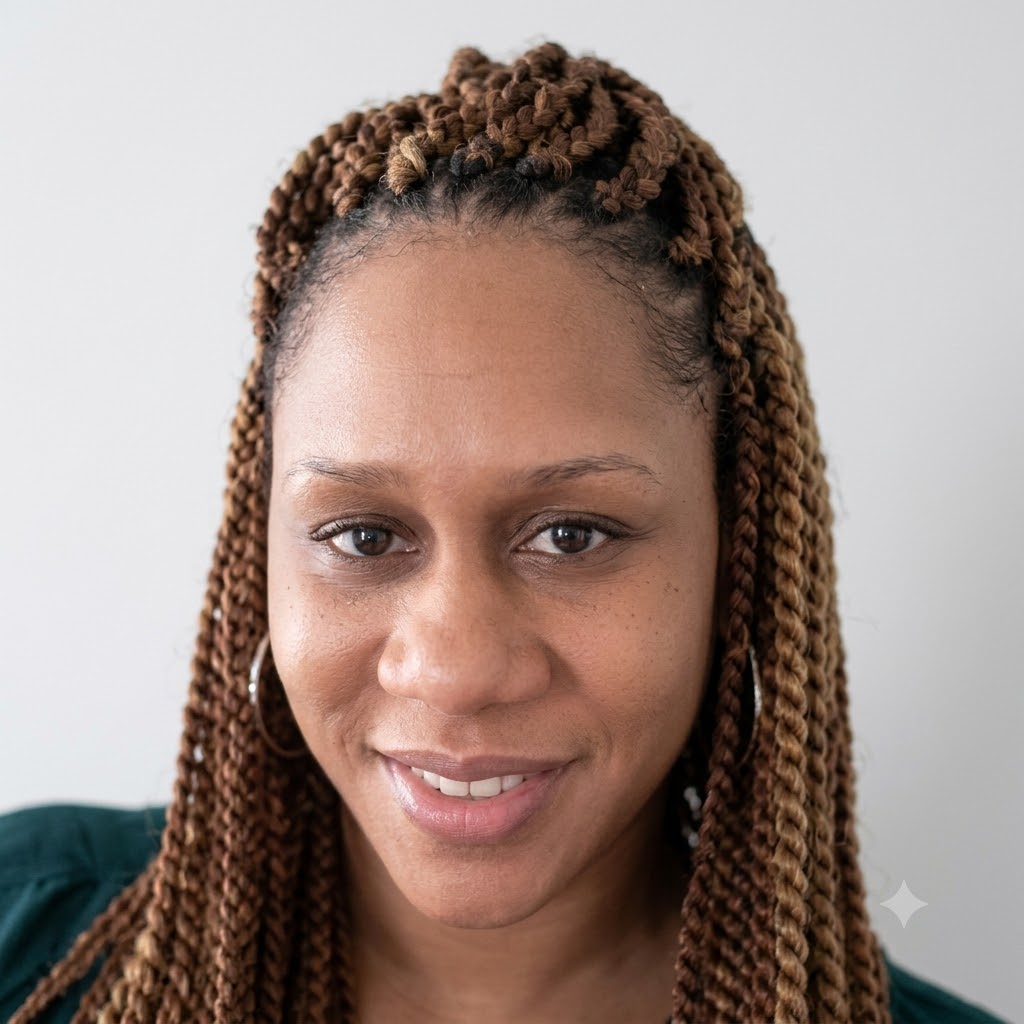 (Trainer, Dionne Aldridge, is the owner of Inspiring, LLC. She has over 25 years of dedicated experience in the field of Social Work. Ms. Aldridge a has private practice in Baltimore, Maryland offering mental health services and professional development trainings. Since 2013, she has been a Board Approved Social Work Supervisor offering clinical guidance to interns, LMSW’s, and LCSW’s. For over 15 years, Ms. Aldridge has assisted Social Workers in preparing for licensing exams at all levels.)
Class B
 From Behavior to Meaning: Developmentally, Neurobiologically, and Socially Attuned Care for Adolescents (3 CE Credits)
Adolescent mental health is often approached through symptom management and behavior correction, yet adolescence is a period of profound neurodevelopment, identity formation, and relational reorganization. When clinicians interpret youth behavior outside this developmental context, common adolescent experiences—such as withdrawal, emotional intensity, or defiance—can be misread as pathology rather than communication of developmental tension.
This training introduces a developmentally, neurobiologically, and relationally attuned framework for understanding adolescent behavior. Drawing from developmental psychology, adolescent brain science, relational psychodynamic practice, and social determinants of health, the presentation reframes internalizing and externalizing behaviors as expressions of identity formation, shame protection, belonging needs, and autonomy negotiation.
 (Trainer, Neerja Singh, PhD, LICSW, LADC, brings over two decades of experience integrating clinical practice with policy innovation across county, state, and nonprofit settings. Dr. Singh currently serves as Area Manager for Children’s Mental Health at Hennepin County, where she leads system transformation efforts that integrate trauma-informed care, workforce well-being, and equity-centered policy. A Bush Fellow (2023–2025), Dr. Singh has advanced the Mindful Communities model to rehumanize human services, ensuring that systems designed to help do not cause further harm. Dr. Singh teaches graduate social work courses and provides clinical training nationally on adolescent development, trauma-responsive practice, and reflective supervision. Dr. Singh serves on the NAMI-MN Board and chairs the NASW-MN Ethics Committee.)
Afternoon Session
2:00 pm – 5:00 pm EST
Select one of the following classes
Class A
 From Disclosure to Documentation: Treating Suicidal Ideation and Self-Injury (3 CE Credits)
Supporting a client through suicidal thoughts or self-harm requires balancing structured assessment with attuned, validating communication. Yet many providers report feeling underprepared to respond with confidence and precision. This training provides a clear, practical approach to assessing suicide risk, responding effectively to disclosures, and conducting both immediate and ongoing risk evaluations. Participants will learn how to strengthen therapeutic alliance during high-risk conversations, gather deliberation data, implement means-restriction counseling, and collaborate with caregivers while preserving the client’s trust and autonomy. The training also reviews interventions that reduce self-harm urges, increase emotion regulation, and support clients through safety planning.
Participants will leave with scripting tools, assessment frameworks, and concrete clinical skills they can apply immediately when working with youth and adults at risk. As demand for responsive, evidence-based suicide intervention increases, this workshop equips clinicians with practical methods that enhance safety, reduce liability, and foster therapeutic effectiveness.
 (Trainer, Jaimee Arnoff, Ph.D., is a licensed clinical psychologist based in Beacon, NY, with extensive experience assessing and treating high-risk clients across outpatient clinics, residential programs, and private practice. She also serves as the psychologist for a nonprofit dedicated to youth suicide prevention and has delivered presentations on the topic throughout high schools in New York state.)
Class B
 From Insight to Action: CBT Strategies for Habit Tracking and Change, Positive Self-Care, and Behavioral Activation (3 CE Credits)
This interactive, experiential workshop introduces Cognitive Behavioral Therapy (CBT) techniques that support behavioral modification and activation to enhance clients’ daily functioning. Participants will explore how habit tracking, effective self-care practices, and behavioral activation serve as evidence-based interventions to increase motivation, reduce avoidance, and promote sustainable change.
Experiential exercises in this class mirror tools and strategies used in session, providing firsthand insight into how these approaches can be effectively taught to clients. Emphasizing practical application, the workshop focuses on client education, collaborative goal setting, and individualized treatment planning. Attendees will leave with adaptable, ready-to-use tools that can be immediately integrated into clinical work across a variety of settings.
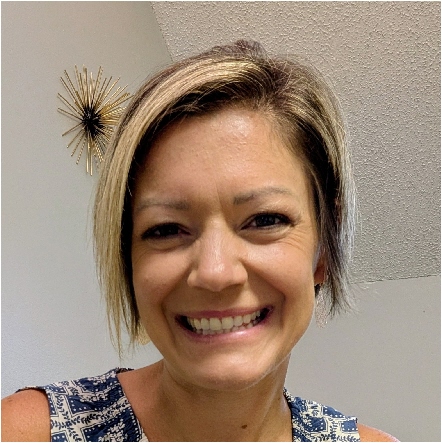 (Trainer, Krista Heller, LCSW, is the owner of Breathe Therapy Services, PLLC. She has been in practice since 2014 and is driven by the passion she feels as a therapist. She is dedicated to meeting clients where they are and utilizing strengths-based practices in treatment. Krista has worked a great amount on her own growth and self-awareness while striving to help clients find their own ways to effectively grow and become more internally aware during sessions. Krista recently expanded her private practice to a group practice and is looking forward to inspiring other therapists in the social work field.)
Evening Sessions
6:00 pm – 9:00 pm
Select one of the following classes
Class A
 Artificial Intelligence and Ethical Considerations (3 CE Credits – Ethics)
They say that Artificial Intelligence (AI) won’t replace you in the workplace, but someone who knows how to use AI will. This is particularly true for social workers, counselors, and psychologists. We were not trained in AI, but AI is transforming our work. As it is becoming harder to avoid AI, it remains critical that we understand how AI works so that we can make informed, ethical decisions that protect our clients, ourselves, and the public. We are mandated by our professional codes to do this.
Recently AI’s reach has become widespread, making it difficult to keep track of its numerous functions in the mental health field. At the end of this course, you will understand how AI works, the different types of AI, and how it is being used in our work. You will better understand the ethical considerations and current research findings about AI in the social work/counseling/psychology space, and walk away with frameworks on how to mitigate risk.
 (Trainer, Susanna Sung, LCSW-C, is a psychotherapist and the founder of Thrive Fully. She is a national keynote speaker and trainer, a consultant for critical incident response to organizations impacted by disruptive workplace events and foreign press correspondents, and a consultant for national social work licensing board examinations. She recently retired from the National Institute of Mental Health at the National Institutes of Health, where she contributed to advancing the understanding and treatment of mental illness.)
Class B
 When Clients Know Better but Can’t Do Better: Treating Self-Silencing and Protective Parts in Trauma Therapy (3 CE Credits-Trauma)
Many trauma clients demonstrate high levels of insight and self-awareness yet continue to self-silence, over-function, or disengage from their needs. These patterns are often misunderstood as resistance or lack of motivation, rather than recognized as trauma-driven protective strategies shaped by attachment injury, chronic stress, or systemic pressures.
This new clinical training offers a trauma-focused, somatic, and parts-based framework for understanding and treating self-silencing in therapy. Participants will learn how protective parts develop, how they show up in clinical work, and how to intervene in ways that build internal safety and capacity before expecting behavioral change. Through case examples, experiential demonstrations, guided reflection, and practical tools, clinicians will gain immediately applicable strategies to reduce therapeutic impasses and support sustainable client change.
 (Trainer, America Allen, LCSW, is a trauma-focused somatic and parts-based therapist and the founder of suNu Healing Collectively, PLLC where she provides trauma-responsive care and clinician education. She has experience across community mental health, nonprofit, and government-adjacent settings, specializing in trauma-driven patterns such as self-silencing, over-functioning, and emotional shutdown. America facilitates trainings that translate complex trauma theory into practical, real-world clinical interventions. Her work has been featured in Women’s Health Magazine, PopSugar, and Bustle.)
Day 2 – Wednesday July 29, 2026
10:00 am – 1:00 pm
Select one of the following classes
Class A

The Burnout Cycle: Understand It. Interrupt It. Change Your Life. (3 CE Credits)
Burnout among helping professionals has reached critical levels, affecting ethical decision-making, emotional regulation, and overall clinical effectiveness. This webinar introduces the BREATHE™ Framework, a clinically grounded, trauma-informed model designed to help professionals identify burnout patterns, restore nervous system regulation, and build sustainable practices that support long-term professional capacity.
Participants will examine the psychological, emotional, and systemic contributors to burnout, differentiate burnout from stress and compassion fatigue, and explore the ethical implications of untreated burnout in clinical practice. Through a combination of didactic instruction, guided discussion, experiential activities, and case application, participants will gain practical tools to prevent professional impairment, enhance self-regulation, and align personal well-being with ethical and effective service delivery.
 (Trainer, Dr. Ana Daniels-Omomarho, PhD, LMSW is a therapist, educator, and emotional wellness expert specializing in burnout prevention and recovery. She is the creator of the BREATHE™ Framework and has extensive experience supporting helping professionals in clinical, hospice, and educational settings through evidence-informed training and practice. Dr Daniels-Omomarho is the author of It’s Ok To Be a Unicorn: A 30-Day Introduction to Social-Emotional Learning)
Class B

Are You a Developing Leader or a Draining Manager? Transitioning through Trauma-Informed & Resilience-Based Supervision (3 CE Credits)
In high-pressure social work environments, the line between effective leadership and “draining” management often blurs. This new 3-hour training provides supervisors with a scholarly foundation for shifting from compliance-based oversight to resilience-based leadership. Grounded in Trauma-Informed Care (TIC) and Psychological Safety frameworks, participants will analyze how their leadership patterns impact team functioning and secondary traumatic stress. Through a “Belief Audit” and interactive case studies, attendees will move beyond theory to practice, leaving with at least three immediate resilience-building micro-habits and a personalized leadership action plan.
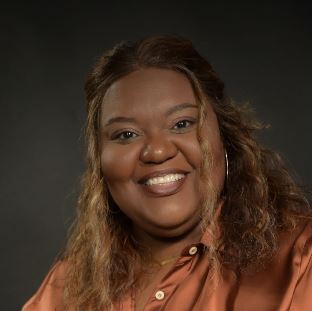 (Trainer, Michelle Brown, LISW-S, with over 20 years of experience in the mental health field, has dedicated her career to creating supportive, trauma-informed environments for students and families. She currently serves as the Clinical Director of Empowering to Elevate in Ohio and teaches social work as an adjunct professor at Youngstown University.)
Class C
 Navigating Emerging Challenges to Social Work Ethics and Boundaries (3 CE Credits)
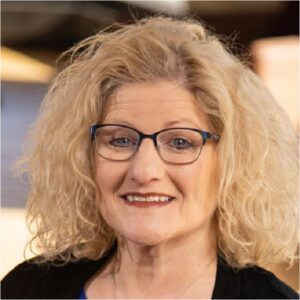 (Trainer, Debra Minsky-Kelly, LCSW, is a social work professor at Carthage College in Kenosha, WI. Her clinical social work experience includes serving as director of a mental health facility, domestic violence advocacy, child welfare, and homeless healthcare. Debra was selected as Distinguished Teacher of the Year at Carthage in 2021. Debra has a strong interest in ethical practice related to trauma, based on teaching a semester course on trauma to undergraduate students since 2019.)
Afternoon Sessions
2:00 pm – 5:00 pm
Select one of the following classes
Class A
 Whose Motivation Is it Anyway? Using Motivational Interviewing to Guide, Not Control (3 CE Credits)
Participants will examine the spirit of Motivational Interviewing —collaboration, acceptance, evocation, and compassion—and explore how practitioner communication styles, assumptions, and the “righting reflex” can either support or impede client engagement. Grounded in evidence‑informed theories and frameworks, this training emphasizes practical strategies for engaging clients, rolling with resistance, eliciting change talk, and supporting readiness for change across stages.
Through applied examples, reflective exercises, and structured practice, participants will strengthen their ability to guide conversations that honor autonomy, reduce resistance, and promote sustainable, client‑driven change in diverse practice settings.
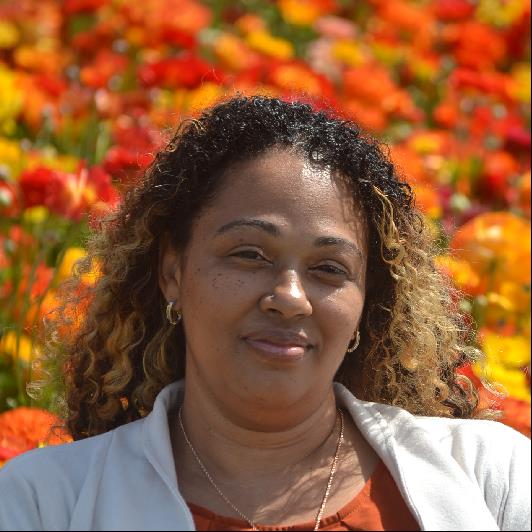 (Trainer, Crystal Rozelle-Bennett, LMSW is an educator, an advocate, a survivor, and a self-proclaimed thriver! For the past 25 years she has been driven by her personal experiences of trauma to elevate and amplify the voices of individuals and communities. She works to promote healing and opportunities to move from surviving to thriving. Crystal has worked alongside professionals to create trauma informed, culturally inclusive and person-centered spaces. Her work experiences include advocacy within the child welfare system, oversight of child and youth programs, crisis hotline response, delivery of community based mental health services and implementing trauma informed strategies and programs for school districts. She has been called upon to provide training, coaching, consultation and keynote presentations across the nation in the subject areas of Human Trafficking, Suicide Prevention, Motivational Interviewing, Community and Collective Care, Anti-oppressive and Culturally Responsive Service Provision, Child Trauma & Maltreatment and Racial Trauma)
Class B
 Maintaining Hope and Balance During Periods of Heightened Stress and Uncertainty: A DBT‑Aligned Framework for Clinicians and Clinical Practice (3 CE Credits)
Mental health clinicians are increasingly practicing in contexts marked by chronic stress, systemic strain, and pervasive uncertainty, placing them at elevated risk for emotional exhaustion, moral distress, and erosion of hope. This presentation offers a Dialectical Behavior Therapy (DBT)–aligned framework for understanding and responding to uncertainty, framing hope not as optimism or certainty but as sustained engagement in building a “life worth living” despite ambiguity. Balance is conceptualized as a dynamic process requiring ongoing attention to emotional vulnerability, boundaries, and effectiveness. The presentation normalizes clinician stress responses to uncertainty and introduces DBT‑consistent strategies to support clinician sustainability, improved client outcomes, and ethical practice.
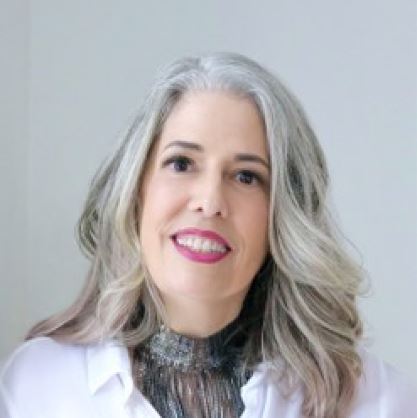 (Trainer, Denise Bundick, LCSW, LICSW, CEAP, is the co-owner/co-director of Falls Neuropsychology and Psychotherapy Associates, PLLC located in Raleigh, NC. She has over 30 years of experience providing psychotherapy services to a diverse client population in a variety of treatment settings. She is the author of “On The Spot Resilience Skills” and provides training in these skills to her clients and community, as well as to other professionals through Continuing Education Courses.)
Class C
 Implicit Bias and Structural Racism in Mental Health Practice – A Case-Based, Anti-Oppressive Approach (3 CE Credits – Implicit Bias, Structural racism, Anti-Oppressive Practice)
Awareness of bias is only a starting point. This session moves beyond definitions into practice, using real-world case examples across clinical settings to examine how implicit bias and structural racism shape assessment, diagnosis, treatment planning, and client engagement. Participants will identify how bias can operate even in well-intentioned care, explore the systemic forces that reinforce disparities, and leave with concrete strategies for more equitable, self-reflective practice. Designed for mental health professionals across disciplines and practice settings. This Training Meets Maryland Implicit Bias, Structural Racism, and Anti-Oppressive requirements.
 (Trainer, Kathryn Krase, Ph.D., J.D., M.S.W., is the Principal Consultant at Krase Consulting and the founder of Making the Tough Call. An expert on the professional reporting of suspected child maltreatment, she has authored multiple books and articles on the subject. For over 20 years, Dr. Krase has educated students as well as mental health, medical, and legal professionals on navigating complex legal and ethical obligations. She has lectured extensively on implicit bias and the systemic challenges faced by marginalized populations. Dr. Krase has years of experience consulting with government and community based organizations to develop policy & practice standards.)
Evening Sessions
6:00 pm – 9:00 pm
Select one of the following classes
Class A
 From Awareness to Action: The Ethics of Trauma-Informed Care (3 CE Credits – Ethics/Trauma)
Trauma is ubiquitous, with far-reaching negative impacts on individuals and communities. Mental health providers need to be competent in bringing a trauma-informed ethical decision-making framework into their clinical practice, agencies, and systems, in order to actively counter the effects of trauma while promoting healing, resilience, and recovery.
This foundational training offers clinicians a comprehensive introduction to the core tenets of trauma-informed care (TIC), while integrating the ethical principles guiding our profession, and highlighting cultural awareness and cultural humility as essential cornerstones of our work. Professional challenges like burnout, vicarious trauma, and boundaries will be examined through an ethical, trauma-informed lens, and strategies for how to mitigate such challenges will be addressed. In addition to didactic and reflective elements, the TIC principles and ethical codes of conduct will be brought to life through thought-provoking case scenarios – so participants can move from awareness, to application, to action.
 (Trainer, Lindsay Murn, PhD, LP, CCTP, is a Licensed Psychologist in the State of Minnesota. She is a Certified Clinical Trauma Professional and Master Certified Accelerated Resolution Therapy Practitioner with over 17 years of clinical, assessment, and consulting experience spanning multiple settings. Dr. Murn has published original research on her work with survivors of sexual violence. She owns a private practice specializing in trauma-focused psychotherapy. Her clinical specialties include trauma-informed psychotherapy and assessments for adults looking to deepen their self-understanding and foster resilience. In addition, Dr. Murn is dedicated to training the next generation of professionals as a clinical supervisor, consultant, and professional development trainer.)
Class B
 Supporting Job Seekers: empowerment, meaning, and practical skills (3 CE Credits)
At this time there are many unemployed people in the United States. Being unemployed can result in major life stressors and a loss of identity. As clinicians there are ways therapy can support someone in the process of a job search. This training reviews the current context, therapeutic strategies for support, and basic overview of best practice for job readiness skills.
 (Trainer, Kalliroi Matsakis, LICSW, LCSW-C, is a licensed clinical social worker in DC and Maryland. She has worked in community mental health as well as maintained a private practice. She has worked as a therapist at a community clinic, in crisis care and in transitional housing. Kalliroi is licensed to provide supervision towards licensure. She has certifications in Acceptance and Commitment Therapy, trauma informed therapy and vicarious trauma prevention.)
Register Today!
Register For Full Conference →
(18 CE Credits, $299.97)
Register For First Day Only →
(9 CE Credits, $149.99)
Register For Second Day Only →
(9 CE Credits, $149.99)