by Ira Weintraub | May 14, 2025
We're sorry, but all tickets sales have ended because the event is expired.
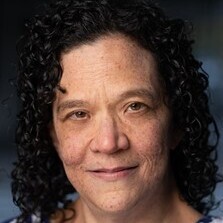
This intensive training, led by Karen Landmann, LCSW, will empower participants with the knowledge and practical skills to effectively apply Dialectical Behavior Therapy (DBT) to the unique needs of refugee trauma survivors. Through a blend of didactic instruction, experiential exercises, and case-based discussions, participants will gain a deep familiarity with DBT principles and their application to refugee populations. The training will focus on core DBT skills, including mindfulness, distress tolerance, emotion regulation, and interpersonal effectiveness, and explore how to adapt these skills to address the specific challenges faced by refugees.*This webinar is live, real-time and interactive. Participants will earn 3 CE Credits – Trauma*
by Bruchie Linzer | May 14, 2025

A “CE You! Plus” Previously Recorded Webinar! Public Health Law Part 2, provides a comprehensive review of U.S. laws and regulations surrounding workplace safety, environmental health, and anti-discrimination protections. This section examines regulatory frameworks such as the Occupational Safety & Health Act (OSHA), the Americans with Disabilities Act (ADA), and the Family Medical Leave Act (FMLA), alongside critical environmental health laws including the Clean Air and Clean Water Acts. Participants will also delve into emerging public health legal reforms and understand the role of legal mandates in data protection and health informatics. By the end of this class, participants will gain a deeper awareness of how health, safety, and anti-discrimination regulations shape public health initiatives, workplace practices, and environmental protections to safeguard community health and individual rights. Earn 3 CME/CE Credits!
by Bruchie Linzer | May 14, 2025

A “CE You! Plus” Previously Recorded Webinar! This interactive training session engages healthcare and mental health professionals in examining their ethical responsibilities and personal biases when safeguarding children. It explores the intersection of community responsibility and government intervention, offering strategies to navigate internal conflicts as mandated reporters. Using case examples from DC, Maryland, and Virginia, the session aligns practice with local laws and national standards to support holistic child protection. Earn 3 CME/CE Credits!
by Bruchie Linzer | May 14, 2025

A “CE You! Plus” Previously Recorded Webinar! In this new training participants will explore foundational concepts of U.S. public health law, with an emphasis on legal frameworks and the balance of powers that govern health care practice. This session covers critical areas including the hierarchy of laws, distinctions between civil and criminal law, regulatory roles across federal, state, and private sectors, as well as essential doctrines like police power, informed consent, HIPAA privacy standards, and the role of tort law in malpractice. Through case studies, participants will learn to navigate public health powers and judicial tests of constitutionality, and understand the legal obligations involved in emergency management, quarantine, patient rights, and provider responsibilities. Designed to empower professionals, this module provides key insights into the legal obligations and protections shaping U.S. public health and health care practices. Earn 3 CME/CE Credits!
by Bruchie Linzer | May 14, 2025

A “CE You! Plus” Previously Recorded Webinar! This class provides an overview of the evaluation of incidentally detected pulmonary nodules. Although pulmonary nodules are quite common, they are often presumed to be malignant, despite the fact that most are benign. An unwarranted assumption of malignancy can lead to unnecessary diagnostic procedures and may induce undue fear and anxiety in patients. This class will review radiographic findings typically associated with incidentally detected pulmonary nodules and will outline a stepwise approach to appropriate diagnostic testing based on these findings, ultimately guiding toward an accurate diagnosis and, if needed, referral to a specialist for treatment. Case examples will also be presented. Earn 1.5 CME/CE Credits!
